
How to Record Zoom Meeting Audio on a Mac
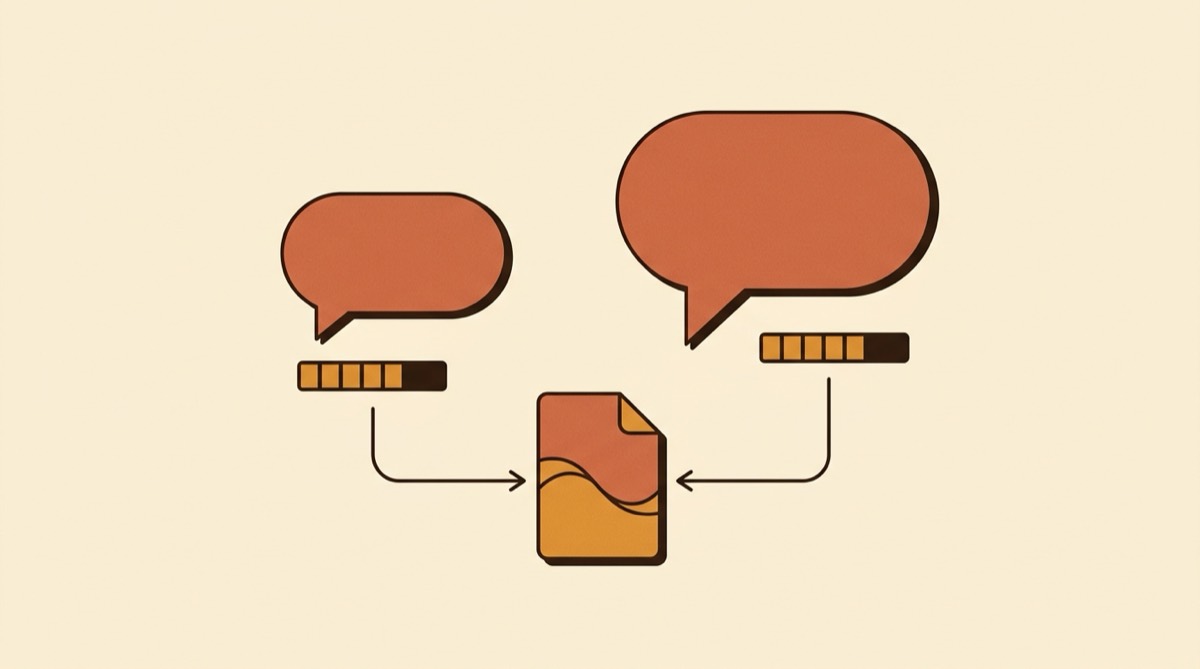
Zoom records calls perfectly well, if you are the host or the host grants you permission. When you are a participant with neither, or you want a clean audio-only file rather than Zoom’s video output, you record at the system level instead. Zoom is not involved and cannot object.
The technical part is easy. The consent part is the one to get right.
Consent First
Recording a conversation without telling the other people in it is illegal in a lot of places. Some US states require all-party consent, as do many countries. Zoom’s own recording displays a banner to everyone; a system-level recording displays nothing at all, which means the entire responsibility for announcing it sits with you.
Say at the start that you are recording and why. In practice nobody minds when asked, and it takes four seconds.
Why the Obvious Approach Fails
Open QuickTime Player, choose New Audio Recording, press record, and you will capture your own voice and nothing else. The same is true of Voice Memos.
Both record a microphone input. The other participants are not arriving through your microphone, they are arriving as system audio playing out of your speakers, and macOS does not expose system audio to its own recording apps. If your speakers are loud enough, your mic picks up a thin, echoing version of the call, which is worse than silence because it sounds almost usable.
Recording Both Sides Properly
You want two sources in one file: Zoom’s audio output and your microphone.
- Open Soundshine Record and approve the recording permission once.
- In the source list, select zoom.us by name. Selecting the app rather than all system audio keeps notifications and other apps out of the recording.
- Add your microphone as a second source.
- Set levels. Each source has its own slider and live meter, so you can check both are moving before the call starts.
- Press record, then join the call.
Because each source has an independent fader, you can fix the classic problem live: a guest who joins 12 dB quieter than everyone else. Move their slider up mid-call and the rest of the recording is balanced, without stopping or re-recording.
Files land in ~/Music/SoundshineRecord. Use AAC (.m4a) unless you are editing afterwards, in which case WAV.
Requires macOS 15 or later. $14.99 one time.
Avoiding the Echo
The single most common problem with call recordings.
If the other participants come out of your speakers, your microphone captures them acoustically at the same time the app captures them digitally. The result is every remote voice appearing twice, a few milliseconds apart, which sounds hollow and cannot be fixed afterwards.
Two fixes. Wear headphones, which solves it completely and is what you should do anyway. Or use passthrough monitoring, which routes the captured app through the recorder rather than your speakers, so the audio never reaches your microphone in the first place.
Free Alternatives
Zoom’s own recording, if you are the host. Local recording gives you an M4A of the audio alongside the video, and it is genuinely the easiest route when it is available to you.
BlackHole, free, if you do not mind setup. Install it, build a Multi-Output Device in Audio MIDI Setup, set it as your output, and record from BlackHole. The limitation is real for calls: you get one combined stream, so you cannot balance your voice against the other participants afterwards, and getting your own mic into the same recording requires building an aggregate device as well. See BlackHole on macOS.
OBS, free, on macOS 13 or later. Add a macOS Audio Capture source for Zoom and an Audio Input Capture for your mic. It works and gives you separate tracks. It is a broadcast suite, so expect to spend a while in settings.
Getting a Usable Recording
Test before the real call. Start a Zoom meeting with yourself, record thirty seconds, and listen back. Discovering a muted source after a one-hour interview is a bad afternoon.
Record to separate the voices if you plan to edit. If the recording is going to be published, capturing your mic and the call as distinct sources gives an editor room to fix things later.
Close the tabs you do not need. Even with per-app capture, an accidental second Zoom window or a browser playing a video is avoidable noise.
Watch your own level. Aim for peaks around -6 dB. Clipping at 0 is unrecoverable.
Related
- How to record audio on a Mac, the full overview
- How to record internal audio on a Mac, every system audio method compared
- Sharing system audio on Zoom, if you want to play audio into a call instead
Frequently Asked Questions
How do I record a Zoom meeting on a Mac if I am not the host?
Zoom's own recording requires host permission, but you can record the audio at the system level instead, which Zoom is not involved in. An app such as Soundshine Record captures Zoom's audio output and your microphone into one file. You still need the other participants' consent, which is a legal requirement in many places rather than a technical one.
Do I need to tell people I am recording a Zoom call?
In most cases yes, and in many jurisdictions it is legally required. Some US states and many countries require all-party consent for recording a conversation. Zoom shows a notice when its built-in recording starts, and a system-level recording shows nothing, so the responsibility to announce it is entirely yours.
Why does my Zoom recording only have my voice?
Because you recorded a microphone rather than system audio. QuickTime Player and Voice Memos capture microphone input only, so you get your side of the call and silence from everyone else. You need an app that captures Zoom's audio output as well as your mic.
How do I stop my Zoom recording from echoing?
Use headphones, or use a recorder with passthrough monitoring. If the other participants come out of your speakers, your microphone picks them up as well as capturing them digitally, so every voice arrives twice slightly out of step.
Record it in one file instead
Soundshine Record captures all your system audio, or just the apps you pick, plus your microphone, with per-source volume and no virtual driver to install.